
Schnelle Antwort
Ein Reinigungsschwamm sollte normalerweise mit Wasser und leichtem Druck verwendet werden. Befeuchten Sie den Schwamm, drücken Sie überschüssiges Wasser aus und reiben Sie die verschmutzte Stelle sanft ab, anstatt stark zu schrubben. Reinigungsschwämme aus Melaminschaum eignen sich im Allgemeinen für strapazierfähige Oberflächen wie Keramikfliesen, Waschbecken, Keramik-Sanitärkeramik, einige Edelstahlflächen, Schuhsohlen und bestimmte gestrichene Wände. Sie sollten jedoch generell nicht auf glänzendem Lack, Autolack, Leder, Touchscreens, poliertem Naturstein und anderen empfindlichen oder leicht verkratzbaren Oberflächen verwendet werden. Testen Sie den Schwamm bei der Reinigung einer unbekannten Oberfläche immer zuerst an einer kleinen, unauffälligen Stelle.
Was ist ein Zauberschwamm?
Ein Zauberschwamm, auch bekannt als magischer Radiergummischwamm oder Melamin-Reinigungsschwamm, wird aus offenzelligem Melaminschaum hergestellt.
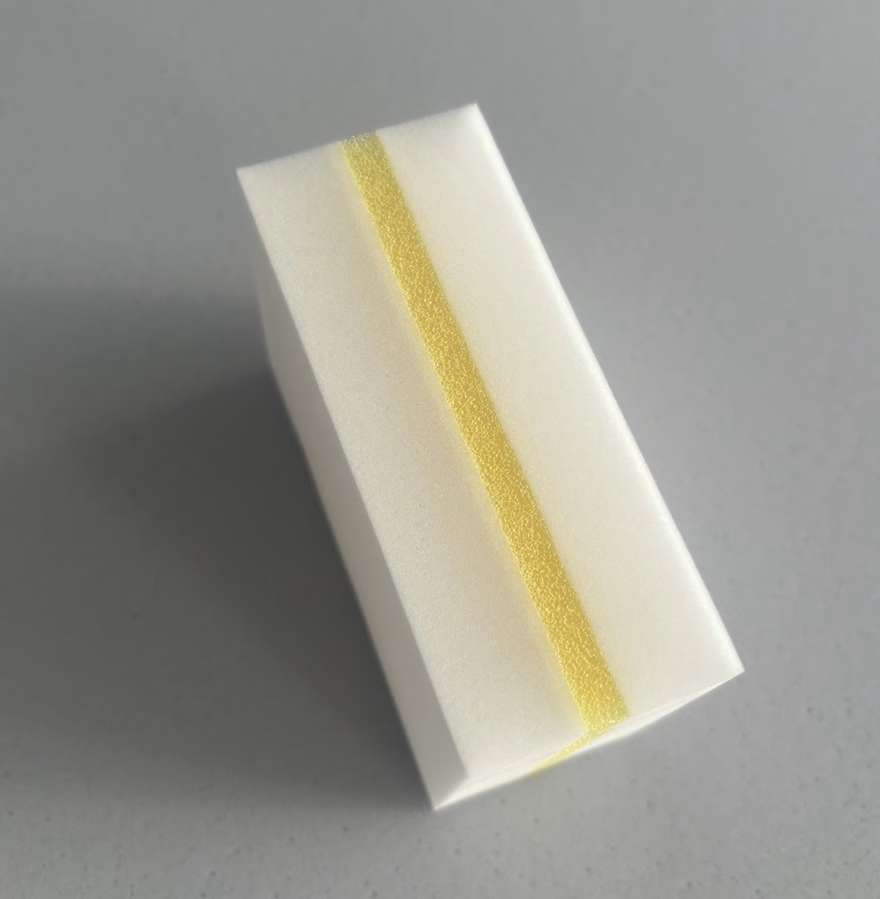
Im Gegensatz zu einem herkömmlichen Küchenschwamm, der hauptsächlich Wasser aufnimmt oder Reinigungsmittel über eine Oberfläche verteilt, besitzt Melaminschaum eine sehr feine, dreidimensionale, poröse Struktur.
Durch leichtes Reiben an einer Oberfläche erzeugt diese Struktur eine milde mechanische Reinigungswirkung, die zur Entfernung folgender Punkte beitragen kann:
- Abriebspuren
- Schuhabdrücke
- Fingerabdrücke
- Buntstiftspuren
- Seifenreste
- Oberflächenschmutz
- Bestimmte hartnäckige Haushaltsflecken
In vielen Anwendungsfällen wird lediglich Wasser benötigt.
Der gleiche mikroabrasive Reinigungsmechanismus, der einen Zauberschwamm so effektiv macht, bedeutet jedoch auch, dass er mit Vorsicht verwendet werden muss.
Zu wissen, wie man einen Zauberschwamm sicher benutzt, ist daher genauso wichtig wie zu wissen, was man damit reinigen kann.

So verwenden Sie einen Zauberschwamm sicher
Die richtige Anwendung eines Zauberschwamms ist einfach, aber ein paar kleine Details können das Risiko einer Beschädigung der Oberfläche deutlich verringern.
Schritt 1: Überprüfen Sie zuerst die Oberfläche
Vor der Reinigung muss festgestellt werden, ob die Oberfläche hart, widerstandsfähig, beschichtet, poliert, lackiert oder abriebempfindlich ist.
Wenn Sie sich unsicher sind, testen Sie den Schwamm an einer kleinen, unauffälligen Stelle.
Dies ist besonders wichtig für:
- Lackierte Oberflächen
- Beschichtetes Metall
- Polierte Oberflächen
- Dekorative Oberflächen
- Ältere Möbel
- Unbekannte Oberflächenbeschichtungen
Schritt 2: Den Zauberschwamm anfeuchten
Den Melaminschwamm in sauberem Wasser einweichen.
Wasser hilft, den Schaum weicher zu machen und ihm eine bessere Anpassung an die Oberfläche zu ermöglichen.
Schritt 3: Überschüssiges Wasser auspressen
Drücken Sie den Schwamm vorsichtig aus, bis er feucht bleibt, aber nicht mehr tropft.
Vermeiden Sie es, den Schwamm stark zu verdrehen, da dies die innere Schaumstoffstruktur beschädigen kann.
Schritt 4: Leichten Druck ausüben
Reiben Sie die verschmutzte Stelle vorsichtig ab.
Beginnen Sie mit minimalem Druck und erhöhen Sie ihn nur bei Bedarf.
Ein Zauberschwamm muss normalerweise nicht aggressiv geschrubbt werden.
Zu viel Druck kann:
- Verschleißen Sie den Schwamm schneller
- Erhöhung der Schaumstoffzerbrechlichkeit
- Oberflächenbeschichtungen entfernen
- Glanz reduzieren
- Hinterlassen sichtbare Abriebspuren
Bei den meisten Flecken ist mehrmaliges, sanftes Überstreichen besser als einmaliges, kräftiges Schrubben.
Schritt 5: Oberfläche abwischen
Nach der Reinigung gelöste Rückstände mit einem feuchten Mikrofasertuch oder einem sauberen Tuch entfernen.
Trocknen Sie die Oberfläche gegebenenfalls anschließend ab.
Welche Oberflächen kann man mit einem Zauberschwamm reinigen?
Zauberschwämme eignen sich am besten für relativ harte und strapazierfähige Oberflächen.
Allerdings unterscheiden sich die Oberflächenbeschichtungen je nach Hersteller erheblich, weshalb eine Stichprobenprüfung weiterhin empfohlen wird.
- Keramikfliesen
Keramikfliesen gehören zu den häufigsten Anwendungsgebieten für Melamin-Reinigungsschwämme.
Sie können dabei helfen, Folgendes zu entfernen:
- Schmutz
- Seifenflecken
- Schuhabdrücke
- Fingerabdrücke
- Oberflächenschmutz
Zauberschwämme sind besonders nützlich in Küchen, Badezimmern und Eingangsbereichen.
Bei hochglanzpolierten oder speziell beschichteten Fliesen sollte vorher ein Test durchgeführt werden.
- Keramikspülen und Sanitärkeramik
Melaminschaum kann für Reinigungszwecke nützlich sein:
- Keramikspülen
- Waschbecken
- Toiletten
- Keramik-Badezimmerarmaturen
Es hilft, Wasserflecken, Seifenreste und oberflächlichen Schmutz zu entfernen, ohne dass große Mengen an Reinigungsmitteln benötigt werden.
- Schuhsohlen und Gummizwischensohlen
Eine der immer beliebter werdenden Anwendungen für Zauberschwämme ist die Reinigung von Turnschuhen und Sportschuhen.
Sie sind besonders wirksam bei:
- Weiße Gummisohlen
- EVA-Zwischensohlen
- Zehenschutzbereiche aus Gummi
- Seitenwände
Den Schwamm leicht anfeuchten und die verschmutzte Stelle mit sanften Strichen reinigen.
Wichtig
Verwenden Sie den Schwamm nicht automatisch auf dem gesamten Schuh.
Leder, beschichtetes Leder, aufgemalte Verzierungen, gedruckte Logos, Wildleder und empfindliche Stoffe können unterschiedlich reagieren.
Für die Reinigung von Turnschuhen eignen sich Zauberschwämme im Allgemeinen am besten für Gummi- und strapazierfähige Synthetiksohlen.
- Kleine Flecken auf gestrichenen Wänden
Zauberschwämme werden oft verwendet, um Folgendes zu entfernen:
- Fingerabdrücke
- Schuhabnutzungen
- Bleistiftmarkierungen
- Leichte Buntstiftspuren
- Allgemeiner Mauerschmutz
Bei gestrichenen Wänden ist jedoch besondere Vorsicht geboten.
Matte Wandfarbe kann manchmal empfindlicher sein als erwartet; wiederholtes Reiben kann einen sichtbaren Glanzfleck erzeugen oder Pigmente entfernen.
Testen Sie immer zuerst eine verdeckte Stelle und üben Sie dabei nur sehr leichten Druck aus.
- Edelstahl — Mit Vorsicht
Manchmal kann man mit einem Zauberschwamm lokale Flecken auf Edelstahloberflächen entfernen.
Geeignete Beispiele hierfür sind beispielsweise:
- Küchenspülen
- Betriebsmittel
- Arbeitsflächen aus Edelstahl
- Geräte ohne empfindliche dekorative Beschichtungen
Gebürsteter, polierter, beschichteter oder spiegelpolierter Edelstahl kann jedoch empfindlich gegenüber Abrieb sein.
Wenn der Edelstahl eine sichtbare Maserungsrichtung aufweist, reinigen Sie ihn vorsichtig in Richtung der Maserung und nicht quer dazu.
Führen Sie immer zuerst einen Test an einer kleinen Stelle durch.
Oberflächen, die Sie nicht mit einem Zauberschwamm reinigen sollten
Da Melaminschaum teilweise durch leichte physikalische Abriebwirkung wirkt, sollte er nicht als für jedes Material geeignet angesehen werden.
Manche Oberflächen können ihren Glanz verlieren, Kratzer bekommen oder dauerhafte Schäden an der Beschichtung erleiden.
Folgende Oberflächen erfordern generell besondere Vorsicht oder sollten vermieden werden.
- Hochglänzende lackierte Oberflächen
Vermeiden Sie die aggressive Verwendung von Zauberschwämmen auf Hochglanzlack.
Durch die mikroabrasive Wirkung kann der Glanz allmählich abnehmen oder eine matte Stelle entstehen.
Anwendungen:
- Hochglanzmöbel
- Lackierte Schränke
- Klavierlack
- Hochglänzende Dekorplatten
- Beschichtete Haushaltsflächen
Für diese Anwendungen sind in der Regel ein weiches Mikrofasertuch und ein speziell für die Beschichtung entwickelter Reiniger sicherer.
- Autolack
Ein Zauberschwamm sollte generell nicht auf Autolackierungen im Außenbereich verwendet werden.
Moderne Fahrzeugoberflächen bestehen oft aus mehreren Schichten, darunter:
- Grundierung
- Klarlack
- Schutzbeschichtungen
- Wachs oder Versiegelung
Melaminschaum kann diese Schichten stumpf machen oder abreiben.
Für die Reinigung der Karosserie sollten Sie stattdessen spezielle Autowasch- und Pflegeprodukte verwenden.
- Leder
Verwenden Sie keine Zauberschwämme auf Leder, es sei denn, der Lederhersteller hat diese Methode ausdrücklich genehmigt.
Leder kann Folgendes enthalten:
- Pigmente
- Schutzbeschichtungen
- Öle
- Oberflächenbeschaffenheit
Durch abrasive Reinigung können diese Schichten entfernt werden, wodurch eine dauerhaft hellere oder rauere Oberfläche entsteht.
Dies gilt für Gegenstände wie:
- Lederschuhe
- Ledersofas
- Taschen
- Autositze aus Leder
- Accessoires aus Leder
- Touchscreens und elektronische Displays
Verwenden Sie keinen Zauberschwamm für:
- Smartphone-Bildschirme
- Tablet-Bildschirme
- Laptop-Displays
- Touchscreen-Bedienfelder
- Fernsehbildschirme
- Kameraanzeigen
Diese Oberflächen können empfindliche Antireflex-, oleophobe oder Schutzbeschichtungen enthalten, die durch Abrieb beschädigt werden können.
Verwenden Sie stattdessen ein geeignetes Mikrofasertuch und eine für Elektronikgeräte geeignete Reinigungsmethode.
- Naturstein
Vermeiden Sie die Verwendung von Zauberschwämmen auf empfindlichen oder polierten Natursteinen, es sei denn, diese wurden vorher ausdrücklich getestet.
Anwendungen:
- Marmor
- Kalkstein
- Travertin
- Polierter Granit
- Kunststein mit Spezialbeschichtungen
Polierte Oberflächen können ihren Glanz verlieren, wenn sie wiederholt abrasiven Reinigungsmitteln ausgesetzt sind.
Naturstein kann auch Versiegelungen aufweisen, die nicht beschädigt werden sollten.
Verwenden Sie ein für das Material empfohlenes, steinschonendes Reinigungsmittel.
- Leicht verkratzbare oder empfindliche Oberflächen
Generell sollte man die Verwendung von Zauberschwämmen auf Oberflächen vermeiden, bei denen selbst feinste Abriebspuren sichtbare Schäden verursachen könnten.
Beispiele können sein:
- Acrylic
- Plexiglas
- Polierter Kunststoff
- Glänzender Kunststoff
- Dekorative Beschichtungen
- Antihaftbeschichtungen
- Antike Oberflächen
- Weichmetalloberflächen
- Hochglanzlaminate
Im Zweifelsfall eine weniger aggressive Reinigungsmethode wählen.
Sichere und unsichere Oberflächen auf einen Blick
| Oberfläche | Software Empfehlungen | Notizen |
| Keramikfliesen | Grundsätzlich geeignet | Testen Sie polierte Oberflächen |
| Keramikspüle | Grundsätzlich geeignet | Üben Sie leichten Druck aus |
| Schuhgummisohle | Grundsätzlich geeignet | Vermeiden Sie empfindliche Schuhoberteile. |
| Bemalte Wand | Mit Vorsicht verwenden | Testen Sie zunächst, insbesondere bei matter Farbe. |
| Edelstahl | Mit Vorsicht verwenden | Folgen Sie der Maserung und testen Sie die Beschichtung |
| Hochglänzende Lackierung | Vermeiden | Kann den Glanz verringern |
| Autolack | Vermeiden | Kann den Klarlack beeinträchtigen |
| Leder | Vermeiden | Kann Lack oder Pigmente entfernen. |
| Touchscreen | Vermeiden | Kann Oberflächenbeschichtungen beschädigen |
| Naturstein | Normalerweise vermeiden | Kann Politur oder Versiegelung beeinträchtigen |
| Acryl / Plexiglas | Vermeiden | Leicht zerkratzt |
| Antihaft-Beschichtung | Vermeiden | Kann die Funktionsbeschichtung beschädigen |
Warum kann ein Zauberschwamm bestimmte Oberflächen beschädigen?
Die Antwort liegt in der Struktur des Melaminschaums.
Unter Vergrößerung zeigt sich, dass ausgehärteter Melaminschaum ein extrem feines, miteinander verbundenes Netzwerk aufweist.
Beim Reiben an einer Oberfläche erzeugt diese Struktur einen leichten abrasiven Effekt.
Dies hilft zu erklären, warum ein Zauberschwamm Flecken entfernen kann, die mit einem herkömmlichen weichen Schwamm möglicherweise schwer zu entfernen sind.
Die Reinigungsleistung hängt jedoch immer von einem ausgewogenen Verhältnis zwischen folgenden Faktoren ab:
Reinigungskraft
und
Oberflächenwiderstand
Eine robuste Keramikfliese kann diesen Kontakt sehr gut vertragen.
Eine glänzende Beschichtung hingegen kann mikroskopische Abriebspuren als sichtbare Mattierung aufweisen.
Aus diesem Grund:
Stärkeres Schrubben bedeutet nicht unbedingt eine bessere Reinigung.
Der richtige Druck und die richtige Oberflächenauswahl sind unerlässlich.
Brauchen Sie Reinigungsmittel für einen Zauberschwamm?
Für viele alltägliche Reinigungsanwendungen reicht Wasser allein aus.
Das ist einer der Gründe, warum Melaminschaum-Reinigungsprodukte bei Anwendungen beliebt sind, bei denen der Anwender den unnötigen Verbrauch von Reinigungsmitteln reduzieren möchte.
Bei stärkeren Fettablagerungen oder speziellen Verunreinigungen kann jedoch weiterhin ein geeignetes Reinigungsmittel erforderlich sein.
Bevor Sie einen Zauberschwamm mit chemischen Reinigungsmitteln kombinieren, überprüfen Sie beides:
- Ob das Reinigungsmittel mit der Oberfläche kompatibel ist.
- Ob der Reiniger mit dem Schwamm kompatibel ist.
Gehen Sie nicht davon aus, dass stärkere Chemikalien automatisch zu besseren Reinigungsergebnissen führen.
Sollte man beim Benutzen eines Zauberschwamms Handschuhe tragen?
Für die normale Haushaltsreinigung mit Wasser greifen viele Anwender direkt zu Melaminschwämmen.
Handschuhe können jedoch trotzdem nützlich sein, wenn:
- Reinigung über längere Zeiträume
- Arbeiten mit Reinigungsmitteln
- Reinigung von fettigen oder verschmutzten Bereichen
- Du hast empfindliche Haut
Vermeiden Sie längeres, aggressives Reiben direkt auf der Haut, da ein Melaminschwamm zum Abschleifen von Oberflächen und nicht als Körperpflegeschwamm konzipiert ist.
Kann ein Zauberschwamm auch trocken verwendet werden?
Für die meisten Reinigungsanwendungen ist es ratsam, den Schwamm vor Gebrauch anzufeuchten.
Ein feuchter Schwamm:
- Passt sich besser der Oberfläche an
- Sorgt für einen reibungsloseren Reinigungskontakt
- Kann unnötigen Schaumstoffverschleiß reduzieren
- Erleichtert das Entfernen von gelöstem Schmutz
Chemische Reinigung kann die Reibung und den Schaumstoffverschleiß erhöhen.
Befolgen Sie die der jeweiligen Produktverpackung beiliegende Gebrauchsanweisung.
Wie man einen Zauberschwamm länger haltbar macht
Melaminschaum ist ein verbrauchbares Reinigungsmittel.
Ein gewisser Verschleiß während der Reinigung ist normal, da sich der Schaum beim Kontakt mit verschmutzten Oberflächen allmählich abnutzt.
Die richtige Technik kann die Haltbarkeit jedoch verbessern.
Um die Lebensdauer des Schwamms zu verlängern:
- Den Schwamm vor Gebrauch anfeuchten.
- Nicht mit Gewalt verdrehen
- Üben Sie leichten Druck aus
- Mit mehreren sanften Wischbewegungen reinigen.
- Verwenden Sie nur den benötigten Bereich des Schwamms.
- Vermeiden Sie scharfe Kanten
- Spülen Sie bei Bedarf festsitzenden Schmutz ab.
Bei gewerblichen Reinigungsprodukten können auch die Schwammdichte, der Kompressionsgrad, die Abmessungen und die Schaumzusammensetzung das Reinigungsgefühl und die Haltbarkeit beeinflussen.
Standard- vs. komprimierter Melaminschaum
Nicht alle Zauberschwämme haben exakt die gleichen physikalischen Eigenschaften.
Melaminschaumprodukte können auf verschiedene Weise gestaltet werden:
- Dichteniveaus
- Kompressionsverhältnisse
- Dicken
- Zellstrukturen
- Formen
- Laminierte Schichten
Standard-Melaminschaum ist extrem leicht und bietet eine effiziente Reinigungswirkung.
Komprimierter oder dichterer Melaminschaum kann sich anders anfühlen und bietet unter Umständen eine verbesserte Haltbarkeit für bestimmte Reinigungsanwendungen.
Dies macht die Produktentwicklung besonders wichtig für Anwendungen wie:
- Sneaker-Reinigung
- Professionelle Reinigung
- Fahrzeuginnenreinigung
- Marken für Haushaltsreinigungsmittel
- Reinigungsprodukte unter Eigenmarken
- Wiederverwendbare Reinigungspadsysteme
Bei SINOYQX kann Melaminschaum je nach Anwendungszweck in verschiedene Dimensionen, Dichten, komprimierte Strukturen und zu Reinigungsprodukten verarbeitet werden.
Sicherheitscheckliste vor der Verwendung eines Zauberschwamms
Bevor Sie eine Ihnen unbekannte Oberfläche reinigen, beachten Sie diese vier Regeln:
- Erst testen
Testen Sie den Schwamm an einer unauffälligen Stelle.
- Beginnen Sie sanft
Üben Sie zunächst nur minimalen Druck aus.
- Überprüfen Sie das Finish
Halten Sie sofort an, wenn Sie Folgendes bemerken:
- Glanzverlust
- Farbübertragung
- Oberflächenkratzen
- Beschichtungsentfernung
- Texturänderungen
- Befolgen Sie die Anweisungen des Oberflächenherstellers.
Bei teuren, empfindlichen, beschichteten oder professionell veredelten Oberflächen sollten die Reinigungsempfehlungen des Herstellers Vorrang haben.
Häufig gestellte Fragen
Ist ein Zauberschwamm für alle Oberflächen geeignet?
Nein.
Zauberschwämme haben eine leicht abrasive Reinigungswirkung und sind nicht für jedes Material geeignet.
Generell sollten sie auf empfindlichen, glänzenden, polierten, beschichteten oder leicht verkratzbaren Oberflächen vermieden werden.
Testen Sie unbekannte Oberflächen immer zuerst.
Kann man einen Zauberschwamm auf gestrichenen Wänden verwenden?
Ja, aber vorsichtig.
Mit Zauberschwämmen lassen sich kleine Flecken von vielen gestrichenen Wänden entfernen, aber übermäßiges Reiben kann die Lackierung beeinträchtigen.
Matte und matte Lacke können besonders empfindlich sein.
Testen Sie den Test an einer unauffälligen Stelle, bevor Sie einen sichtbaren Bereich reinigen.
Kann man einen Zauberschwamm auf Edelstahl verwenden?
Es mag für einige Edelstahloberflächen geeignet sein, jedoch ist Vorsicht geboten.
Gebürsteter, polierter, spiegelpolierter oder beschichteter Edelstahl kann Abriebspuren aufweisen.
Testen Sie immer zuerst und wischen Sie gegebenenfalls in Faserrichtung ab.
Kann ein Zauberschwamm Schuhe reinigen?
Ja, insbesondere die Gummisohlen und Zwischensohlen von Turnschuhen und Sportschuhen.
Vermeiden Sie die automatische Anwendung auf Leder, Wildleder, bedruckten Grafiken oder empfindlichen beschichteten Schuhmaterialien.
Kann ich einen Zauberschwamm für mein Auto verwenden?
Ein Zauberschwamm sollte generell nicht für Autolacke im Außenbereich verwendet werden, da seine abrasive Wirkung den Klarlack oder den Glanz beeinträchtigen kann.
Verwenden Sie stattdessen spezielle Autoreinigungsmittel.
Kann man einen Zauberschwamm auf Glas verwenden?
Das hängt von der Glasart und eventuellen Beschichtungen ab.
Klares Glas verträgt unter Umständen eine schonende Reinigung, beschichtetes, getöntes, behandeltes oder Spezialglas kann jedoch empfindlicher sein.
Führen Sie zunächst einen Test durch und befolgen Sie die Empfehlungen des Glasherstellers.
Kann man einen Zauberschwamm auf Marmor verwenden?
Generell sollte man die Verwendung eines Zauberschwamms auf poliertem Marmor vermeiden.
Melaminschaum kann die polierte Oberfläche oder die Steinversiegelung beeinträchtigen.
Verwenden Sie einen speziell für Naturstein entwickelten Reiniger.
Enthalten Zauberschwämme Reinigungsmittel?
Die Reinigungswirkung von herkömmlichem Melaminschaum beruht in erster Linie auf seiner feinporigen Struktur und weniger auf im Schaum enthaltenen Reinigungsmitteln.
Allerdings können sich fertige Einzelhandelsprodukte unterscheiden, und einige können zusätzliche Zutaten enthalten.
Bitte prüfen Sie stets die jeweiligen Produktinformationen.
Warum wird mein Zauberschwamm kleiner, wenn ich ihn benutze?
Das ist normal.
Melaminschaum nutzt sich allmählich ab, da seine feine Struktur Verunreinigungen mechanisch von einer Oberfläche entfernt.
Die Verschleißrate hängt von Faktoren wie beispielsweise folgenden ab:
- Oberflächenrauheit
- Angewandter Druck
- Fleckentyp
- Schaumdichte
- Schwammdicke
- Reinigungstechnik
Die Wahl des richtigen Melaminschaums für Reinigungsprodukte
Für Markenhersteller und Erstausrüster gibt es keine universelle Schwammspezifikation, die für jede Anwendung ideal ist.
Ein Haushaltswandreinigungsschwamm benötigt möglicherweise andere physikalische Eigenschaften als ein Schuhreinigungsschwamm oder ein gewerblicher Reinigungspad.
Zu den wichtigsten zu bewertenden Faktoren gehören:
- Schaumdichte
- Kompressionsrate
- Nassbeständigkeit
- Reinigungsleistung
- Schwammdicke
- Schnittmaße
- Oberflächenlaminierung
- Verpackungsformat
- Zu reinigende Oberfläche
SINOYQX bietet Melaminschaummaterialien und maßgeschneiderte Schwammlösungen für verschiedene Reinigungsanwendungen an.
Zu den verfügbaren Verarbeitungsoptionen gehören:
- Standard-Melaminschaum
- Komprimierter Melaminschaum
- Benutzerdefinierte Dichte
- Kundenspezifische Dicke
- Maßgeschneidertes Schneiden
- Sonderformen
- Laminierte Reinigungsschwämme
- Eigenmarken-/OEM-Produkte
- Maßgeschneiderte Einzelhandelsverpackungen
Fazit
Der sichere Umgang mit einem Zauberschwamm beruht im Wesentlichen auf dem Verständnis eines wichtigen Prinzips:
Verwenden Sie das richtige Reinigungsmittel auf der richtigen Oberfläche mit dem richtigen Druck.
Zauberschwämme können auf strapazierfähigen Oberflächen wie Keramikfliesen, Waschbecken, Schuhsohlen und bestimmten Haushaltsflächen sehr effektiv sein.
Da Melaminschaum jedoch eine leichte mechanische Abriebwirkung aufweist, sollte er auf glänzenden Lacken, Leder, Autolacken, Touchscreens, poliertem Naturstein und anderen empfindlichen Oberflächen vermieden oder sorgfältig getestet werden.
Im Zweifelsfall:
Testen Sie zunächst eine unauffällige Stelle, verwenden Sie Wasser, beginnen Sie mit leichtem Druck und hören Sie auf, wenn sich das Erscheinungsbild der Oberfläche verändert.
Über SINOYQX
SINOYQX ist Hersteller und Lieferant von Melaminschaumstoffen und verarbeiteten Melaminschaumprodukten für Reinigungs-, Akustik-, Wärmedämmungs-, Filtrations- und andere industrielle Anwendungen.
Für Hersteller von Reinigungsmitteln und Handelsmarken bietet SINOYQX kundenspezifische Melaminschwämme an, darunter Lösungen mit unterschiedlichen Dichten, Kompressionsgraden, Abmessungen, Formen, Laminierungen und Verpackungsformaten.
Anwendungen:
Magische Reinigungsschwämme, Sneaker-Reinigungsschwämme, Haushaltsreinigungspads, professionelle Reinigungsprodukte, kundenspezifische Melaminschaumprodukte und OEM-/Eigenmarken-Reinigungslösungen.